Why Commercial Mold Removal Requires a Different Approach Than Home Remediation
When people think about mold problems, they usually picture a damp corner in a basement or a patch of mildew around a bathroom vent. Those issues are real and they deserve attention, but they barely scratch the surface of what happens in a commercial building. A warehouse with a leaking roof, an office tower with a faulty HVAC system, or a retail space with a chronic crawlspace moisture problem can harbor mold for months before anyone notices. By the time someone does, the contamination has often spread through the air handling system and into every occupied room.
Mold in a commercial setting is not just a maintenance headache. It is a liability, a health risk, and a threat to indoor air quality. The stakes are higher because of the number of people exposed. Employees, customers, tenants, visitors. Unlike a single-family home where you can isolate a room and work on it yourself, a commercial property demands a systematic, professional response. That is where commercial mold removal differs from a weekend project with bleach and a scrub brush.
The Scale Changes Everything
A home remediation job might involve a few square feet of affected drywall. A commercial property can have thousands of square feet of contaminated material. The sheer volume of mold growth, the depth of infestation inside wall cavities or under flooring, and the complexity of the building's mechanical systems all require a different level of planning. A typical residential approach using household bleach or white vinegar will not come close to addressing the problem. In fact, using bleach on porous surfaces like drywall or wood can actually make things worse. Bleach is mostly water, and water soaks into porous material, feeding the mold colonies deeper into the substrate. Commercial mold removal relies on professional-grade fungicides and biocides that are applied under controlled conditions, often with negative air pressure and containment barriers to prevent spores from spreading to clean areas.
Most commercial buildings have an HVAC system that distributes air throughout the entire space. If mold gets into the ductwork, every supply vent becomes a delivery system for spores. Cleaning that kind of contamination requires shutting down the system, accessing internal surfaces, and often using HEPA-filtered vacuums to capture fine particles. A standard shop vac will not cut it. The filter on a HEPA vacuum traps particles down to 0.3 microns, which includes most mold spores. Without that level of filtration, you are just stirring up the contamination and letting it resettle elsewhere.
Health and Regulatory Concerns
Mold in a commercial building is not just a property issue; it is a public health issue. Certain species like Stachybotrys chartarum, commonly known as black mold, produce mycotoxins that can cause respiratory problems, skin irritation, and more serious conditions in sensitive individuals. Aspergillus and Penicillium species are also common in damp buildings and can trigger allergic reactions or exacerbate asthma. When employees start complaining about headaches, fatigue, or sinus issues, the employer has a responsibility to investigate. OSHA does not have a specific standard for mold exposure, but the agency can cite employers under the General Duty Clause if poor indoor air quality creates a recognized hazard. The EPA provides guidelines for mold remediation in schools and commercial buildings, and those guidelines emphasize containment, proper personal protective equipment, and thorough drying of affected materials.
A mold inspection conducted by a qualified professional is the first step. The inspector will look for visible growth, measure moisture levels in building materials, and may take air samples to compare indoor spore counts with outdoor levels. If the counts indoors are significantly higher, that confirms a problem that needs remediation. The inspection report becomes the roadmap for the remediation work, identifying the extent of the contamination and the materials that need to be removed or treated.
Moisture Control Is the Real Fix
No amount of cleaning will solve a mold problem if the underlying moisture issue is not addressed. Mold needs three things to grow: a food source, a temperature range that supports life, and moisture. The first two are almost impossible to eliminate in a building. Drywall, wood, carpet, and dust all serve as food. Temperature is controlled by the building's systems. Moisture is the one variable you can actually manage. That is why moisture control is the foundation of any lasting remediation strategy.
Common sources of moisture in commercial buildings include plumbing leaks, roof leaks, condensation on cold surfaces, high humidity, and groundwater intrusion through foundations or crawlspaces. A dehumidifier can help in enclosed spaces, but it is not a substitute for fixing the source. If a crawlspace has standing water, you need to address drainage or install a vapor barrier before you do anything else. If an HVAC system is pulling in humid outdoor air and cooling it below the dew point, the ducts will sweat and create perfect conditions for mold growth. That requires balancing the system, adding insulation, or adjusting the set points.
Remediation Techniques That Actually Work
When the inspection is done and the moisture source is under control, the actual remediation can begin. The process varies depending on the materials involved and the extent of the growth, but there are some standard steps that apply to most commercial mold removal projects.
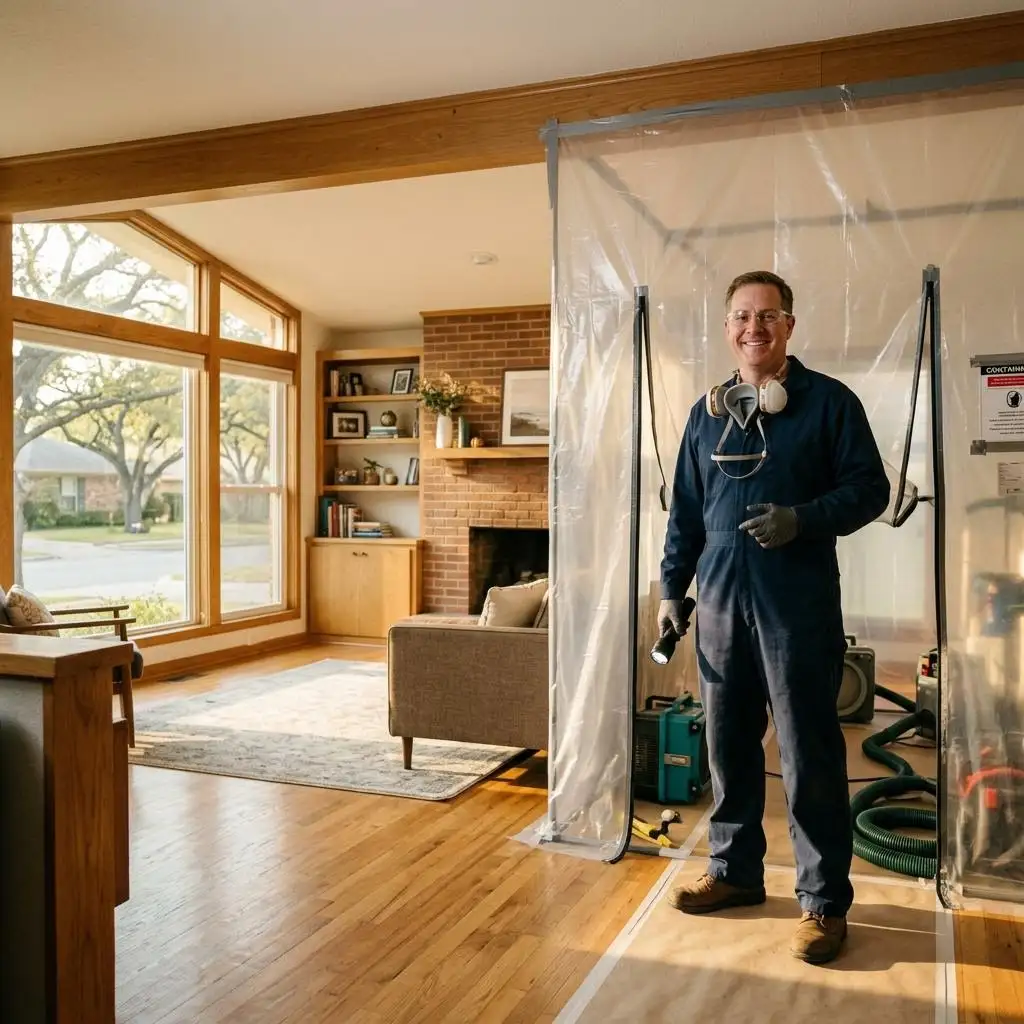
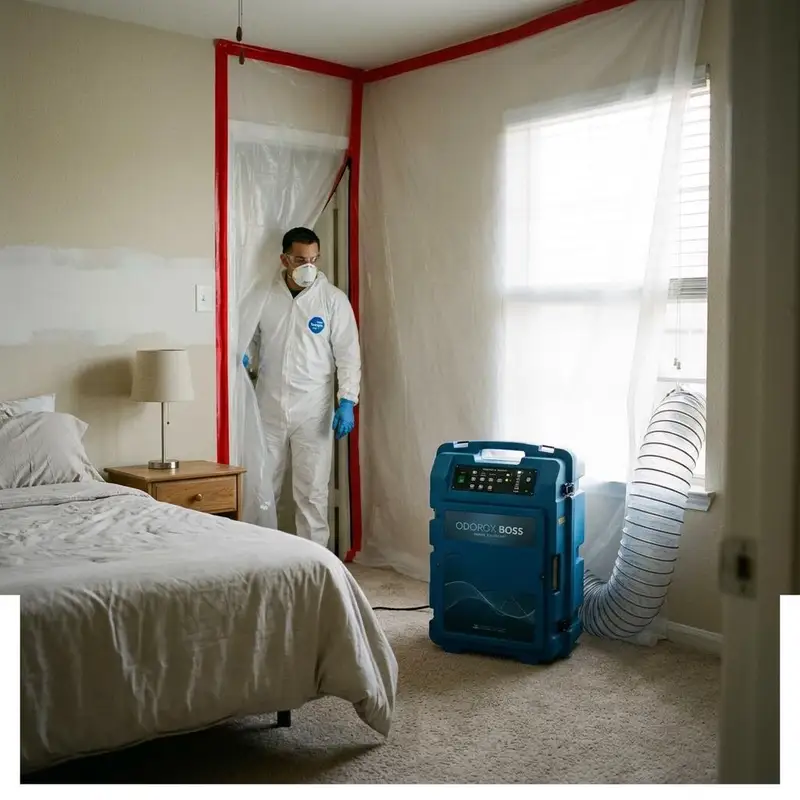
First, the affected area is contained. Polyethylene sheeting is used to seal off the space, and negative air pressure is created with HEPA-filtered air scrubbers. This prevents spores from migrating into clean parts of the building. Workers wear protective gear, including respirators with HEPA cartridges, gloves, and disposable coveralls. Porous materials that cannot be cleaned, like carpet, drywall, and insulation, are removed and disposed of in sealed bags. Non-porous surfaces like metal, glass, and hard plastics can be cleaned with a biocide or fungicide and then wiped down.
One common mistake is reaching for bleach as a cleaner. On non-porous surfaces, a diluted bleach solution can kill surface mold, but it does not penetrate into porous materials. White vinegar is sometimes recommended for small household jobs because its acidity can kill some molds, but it is not strong enough for commercial-scale work. Boric acid is used in some formulations as a fungistatic agent, meaning it prevents future growth, but it is not a primary cleaner. Professional remediation contractors use EPA-registered antimicrobial products that are specifically designed for the job. They also test the surface after cleaning to confirm that the mold has been removed, not just killed and left in place.
The Role of Ongoing Maintenance
Even after a successful remediation, the building is not immune to future problems. Mold spores are everywhere in the environment. They float in through open doors, ride in on clothing, and settle on surfaces. If the moisture returns, the mold will come back. That is why ongoing moisture control and regular inspections are important. A good maintenance plan includes checking HVAC systems for condensation, monitoring humidity levels in problem areas, and responding quickly to any leaks or water intrusion.
Some commercial properties benefit from installing dehumidifiers in basements or crawlspaces, especially in climates with high humidity. Others need to upgrade their ventilation systems to ensure that moist air is exhausted properly. In some cases, antimicrobial coatings can be applied to high-risk surfaces as a secondary line of defense, but they are not a substitute for controlling moisture at the source.
Choosing the Right Approach
Commercial mold removal is not a one-size-fits-all service. A small office with a localized leak might only need a targeted remediation that takes a day or two. A large warehouse with widespread contamination could require weeks of work, including structural repairs and replacement of building materials. The cost and complexity depend on the size of the affected area, the type of materials involved, the accessibility of the contamination, and the underlying cause of the moisture problem.
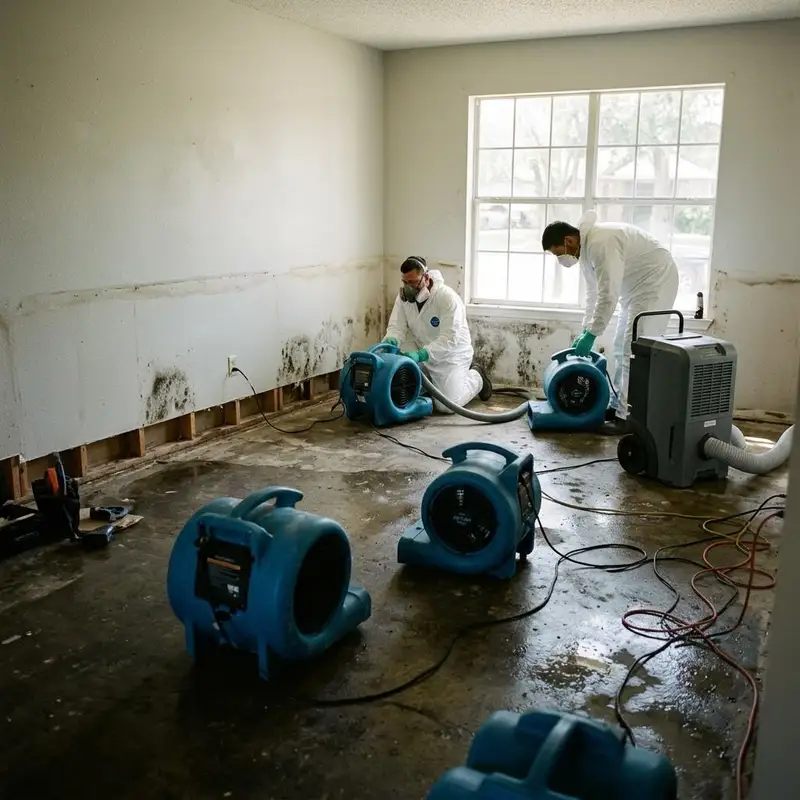
It is tempting to look for shortcuts, especially when a business is losing revenue during the remediation. But cutting corners on containment, using inadequate cleaning agents, or failing to address the moisture source will almost always lead to a recurrence. That costs more in the long run, both in direct expenses and in lost productivity, tenant complaints, or even legal liability. A thorough, professional approach is the only way to get the building back to a safe, dry condition and keep it that way.
If you manage a commercial property and suspect a mold problem, start with a professional mold inspection. The inspection will give you a clear picture of what you are dealing with and what needs to be done. From there, a qualified remediation contractor can develop a plan that addresses both the visible growth and the hidden contamination, while ensuring that the work is done safely and in compliance with relevant guidelines. The investment is worth it, because the alternative is a building that slowly degrades and a population of occupants who are breathing compromised air every day.